

According to the International Air Transport Association (IATA), in 2017, it is estimated passengers were spending about USD 532 Bil across the globe, with significant passenger growth of 1.8% in a variance of 7.5% in 2017 compared to 5.7% in 2014. The Airline industry is considered the most prominent when it comes to food preparation. Globally, Halal travelers are anticipated to spend US$155 billion in 2017, and these figures are expected to reach a staggering US$220 billion by 2020 and US$300 billion by 2026, respectively, according to the Global Muslim Travel Index (GMTI) 2017 report.
Muslim travelers, by default, are very delicate and concerned when dealing with an in-flight Halal meal for a long-haul sector. In this context, Middle Eastern carriers are known by many as being at the forefront of offering a Halal concept for all meals onboard departing from all major airports in the world. Centre for Aviation (CAPA) continuously reported the Middle East continues to defy global trends, witnessing growth in demand and expansion of capacity at rates not seen in any other global market. Airlines in this region will continue to outstrip global expansion in passengers, cashing in on regional and global economic growth, improving international passenger traffic flows and increasing aircraft production.
With a combined estimation of more than 500 wide-body aircraft (e.g., Airbus 380, 350, and Boeing 787, 777x) ordered until 2025 by leading Muslim carriers such as Etihad, Emirates, and Qatar, the Halal in-flight catering industry will rise to new heights and thus require a paradigm shift in an integrated Halal management system.

____________
The Reality
As for any non-Muslim carriers, the offering of Halal meals is based on special food labels known as MOML (Muslim meal), one of the 21 special food codes in the IATA standards. Passengers may request this meal through the airline’s call center up to 72 hours before the scheduled flight. Apart from the in-flight services, food and beverages are also offered to the front-end passengers at the airport lounges.
However, the preparation of MOML is perceived to be weak in some locations regarding the conformity of Halal standards by non-Muslim caterers. The situation may persists today, with both Halal and non-Halal products prepared in the same facility, although the processes are segregated in a controlled environment. However, long-haul flight meals are always safe if they are departing from a Muslim country, as the carrier must take the local meals – why? The aircraft could not carry a double load of catering from its origin, and the need for local catering at the departing point is critical. Halal meal is the only option if they are flying from KL, Dubai, Doha, Istanbul, etc – even they are a non-Muslim countries carriers. So the passengers can take any hot meals that are permissible to eat. This Halal option also applies to meals at the airline’s own lounges in any country, not those operated by a 3rd party. Assurance to check with the lounge officer is also important.
Back to the segregation process, this scenario requires experienced Halal auditors and training to ensure that in-flight caterers prepare all Halal food in accordance with Islamic principles. There is also a need for enforcement on the supply chain in which Halal ingredients are delivered by a small number of leading suppliers and manufacturers in regions where Muslims are considered a minority, such as Europe, North America, South America, North-East Asia and Central and South Africa.
‘The phenomenal success of the Gulf carriers, chiefly Emirates, Etihad Airways and Qatar Airways, continues to exploit their natural geographic advantage, which puts more than two-thirds of the world’s population within an eight-hour flight from Dubai. Supported by supportive ownership and regulatory regimes, they are growing local markets and applying new aircraft technologies and service standards to achieve global success. However, the past two years have been about much more than their intrinsic strengths. From being outsiders to the established European airlines, all three were admitted – if not welcomed with open arms – into the inner sanctums of the leaders of the global alliances, except Star Alliance. This has shifted the course of alliance and partnership thinking and deepened their impact on global aviation.’ (CAPA, 2014)
—-
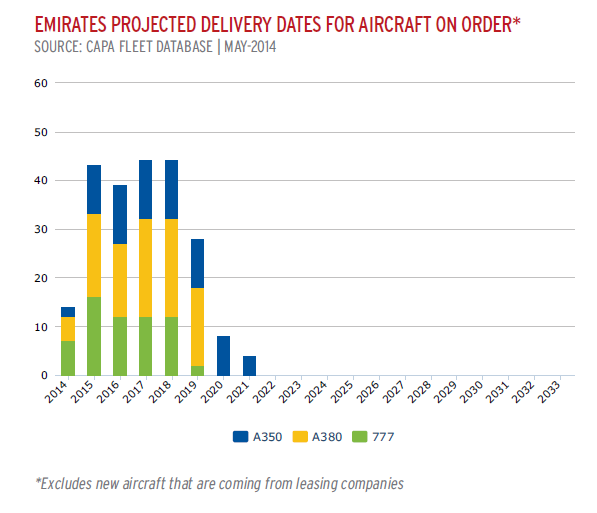
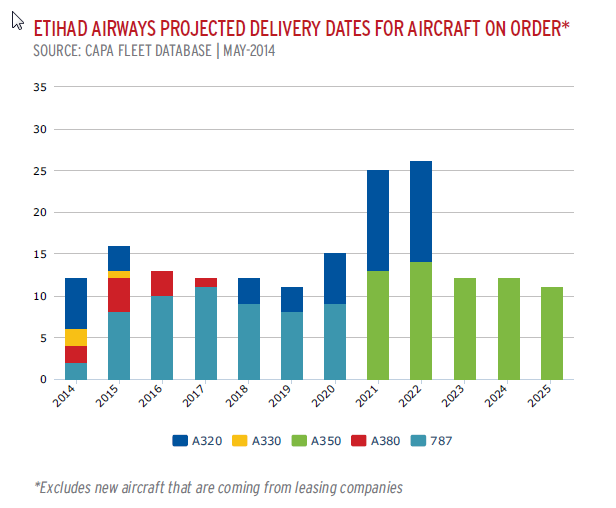
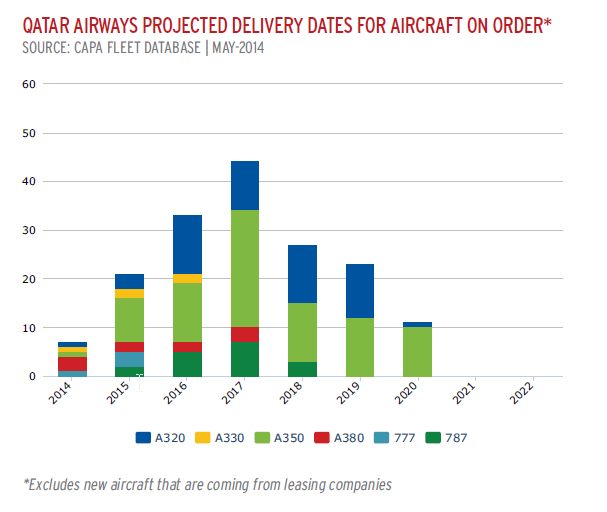
Signs of Halal carriers expansion : Emirates | Qatar Airways | Etihad | Saudia | Turkish Airlines
The battlefront of these GULF giants will definitely change the Halal supply-chain and the eco-system landscape in years to come – Author